
By David Vergun, Pentagon News
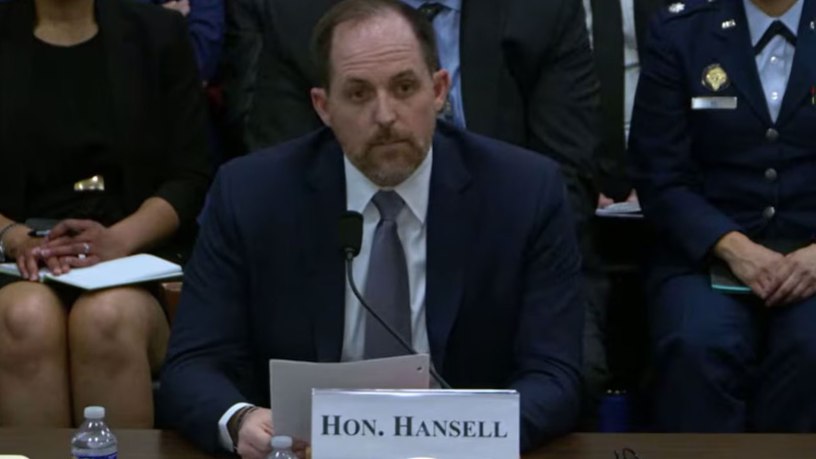
The undersecretary of war for intelligence and security testified on the resourcing, priorities and challenges facing the intelligence enterprise for fiscal year 2027, during a hearing before the House Armed Services Committee’s intelligence and special operations subcommittee in Washington, April 16.
Bradley D. Hansell said the president’s budget request for the War Department’s intelligence and security missions combines the resources of DOW with the national intelligence program.
He outlined the four lines of effort that adhere to the National Security Strategy:
- Defend the homeland by investing in the intelligence capabilities necessary to detect and counter adversarial threats in the Western Hemisphere, to include narco-terrorism, strategic defense and border security.
- Deter China in the Indo-Pacific region by funding survivable intelligence, surveillance and reconnaissance capabilities and improving targeting capability.
- Increase burden sharing with allies and partners to better coordinate operations and resources, maximizing returns on investment and the ability to buy down shared risk.
- Supercharge the defense industrial base by strengthening the integration of the intelligence and acquisition communities. Also, enhancing intelligence and security capabilities to protect critical technologies and supply chains and mitigate key security risks.
Hansell noted that investing in artificial intelligence is an important component of those lines of effort, helping to more effectively measure and assess returns on investment and risks for warfighters and policymakers.
“To achieve these effects demands we are all mission-focused and apply an enterprise lens to all our activities,” Hansell said, adding, “We must aggressively modernize the enterprise to ensure we not only take care of today’s warfighters but also the warfighters of tomorrow. This will require new technologies, new ways of thinking and the right workforce, aligned to the challenges we will collectively face in the future.”
Hansell said the budget request begins the transformation needed to deliver the timely, accurate and relevant intelligence and security that warfighters and policymakers need to execute the National Defense Strategy successfully.
 That PAO Guy